Experience the Thrill of Creating Your First App.
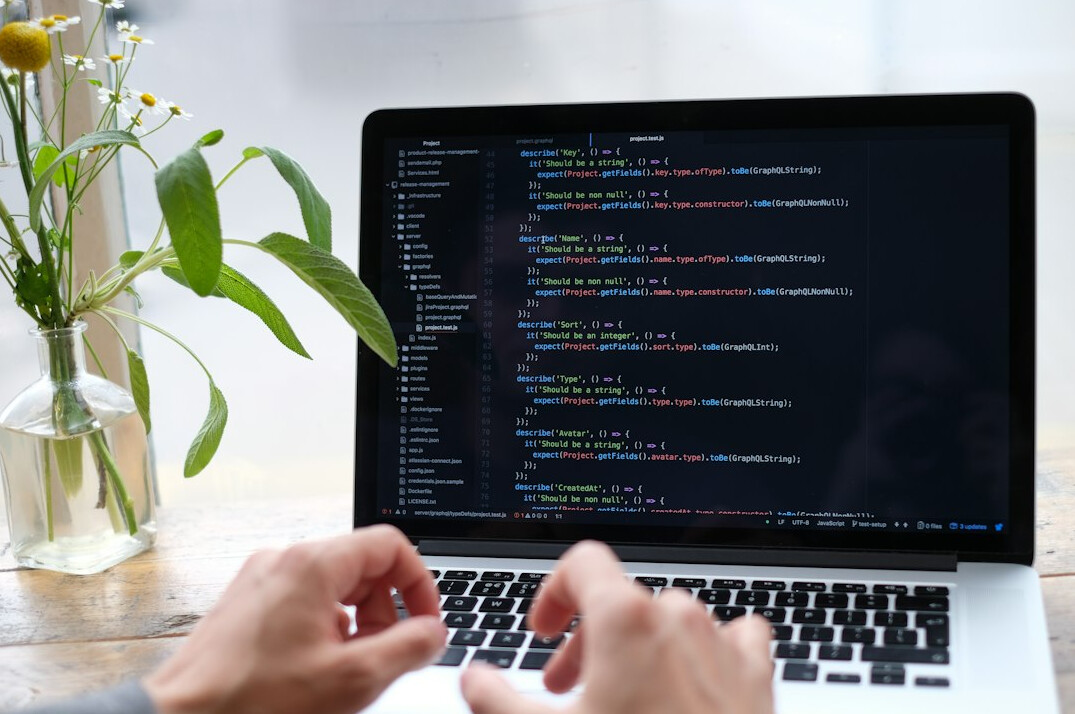
There's something truly special about seeing your very first app come to life on a screen. It starts as an idea in your head, maybe a simple tool to track daily habits or a fun game for friends, and before you know it, you're watching it run on your phone. For many people diving into programming, that moment marks the beginning of a whole new way of thinking about technology and creativity.
Getting Started with the Basics
Before touching any code, it's helpful to map out what your app will do. Think about the main features and how users might interact with them. This planning stage feels a bit like sketching a story before writing the chapters. Once you have a rough outline, the next step is choosing a language or platform that fits your goals. Many beginners find success with straightforward tools that let them build and test quickly without getting lost in complex setups.

One of the best parts about learning through structured courses is the way they break everything down into small, manageable pieces. You might begin with variables and loops one week, then move on to user interfaces the next. Before long, you're connecting those pieces into something that actually works. The sense of progress keeps you motivated even when a bug shows up and takes an afternoon to fix.
Overcoming Common Hurdles
Everyone hits roadblocks early on. Maybe the app crashes on launch or a button doesn't respond the way you expected. These moments can feel frustrating, yet they teach you more than any smooth success ever could. Talking through the problem with others or reviewing course materials often reveals the simple mistake hiding in plain sight. Persistence pays off, and each solved issue builds real confidence.
Hands-on projects make the difference between just reading about code and actually understanding it. Instead of endless theory, you get to create something you can share with family or post online for feedback. That real-world application turns abstract concepts into skills you can use right away.
Bringing Your Vision to Life
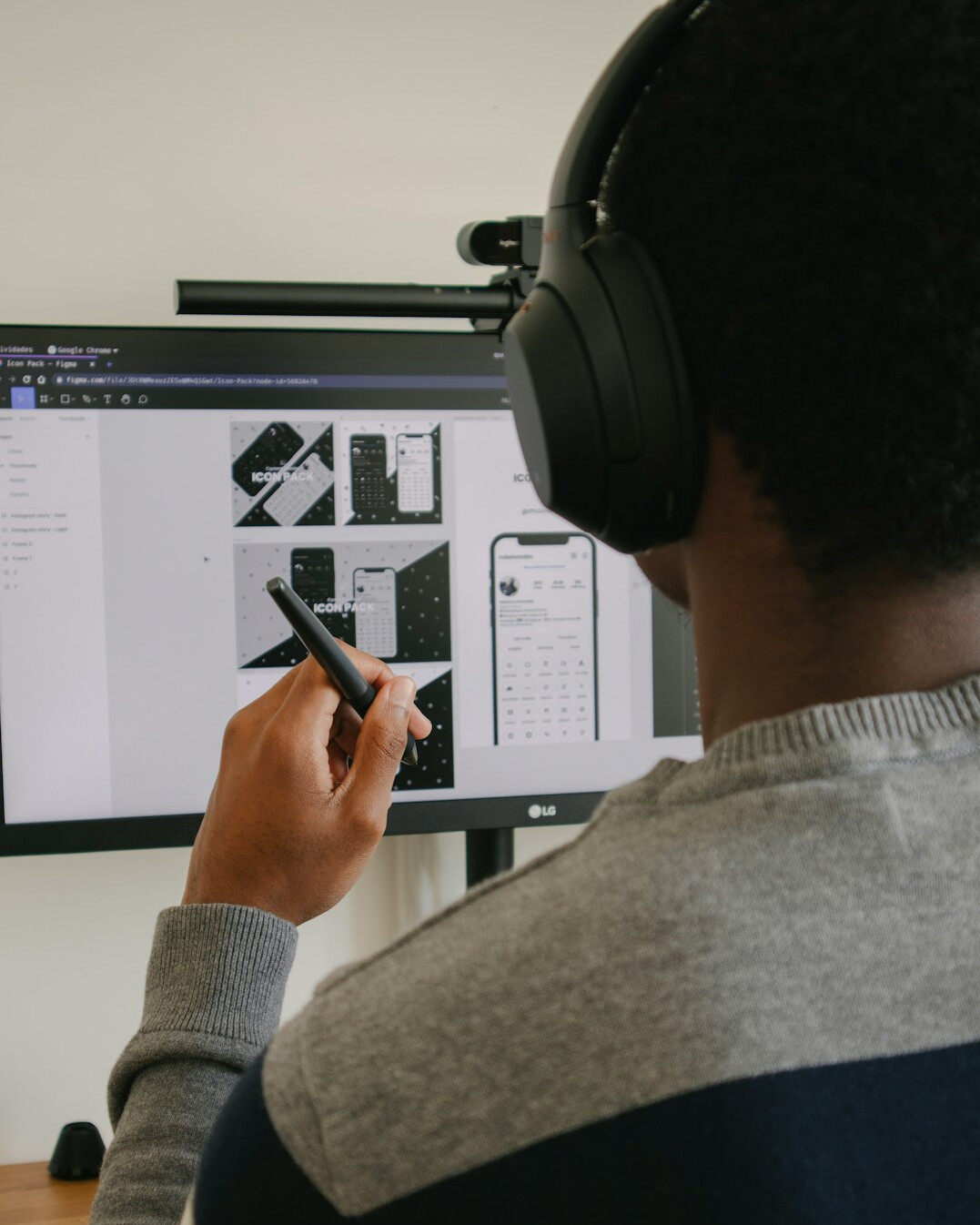
As your app takes shape, you start thinking about polish. Adding colors, smooth animations, and clear navigation turns a basic prototype into something enjoyable to use. It's rewarding to watch users try it for the first time and see their reactions. Small details like helpful error messages or intuitive icons make a big difference in how the final product feels.
Many learners discover that programming opens doors beyond just one app. The same logic and problem-solving habits apply to websites, data tools, or even automation scripts for daily tasks. What began as a single project often grows into a broader interest that influences career choices or side projects for years to come.
Seeing your code run successfully for the first time is a feeling you won't forget.
Why Structured Learning Helps
Self-study can work, but guided courses provide direction and accountability that keep most people on track. Clear explanations, example projects, and feedback loops speed up the learning curve. You also meet others at similar stages, which makes the journey less lonely and more collaborative.
At tradenuvo, the focus stays on practical English-language instruction that matches real industry needs. Students build apps step by step while gaining the vocabulary and concepts that help them continue growing after the course ends. The emphasis on doing rather than just watching leads to stronger retention and faster results.

By the time you finish your first complete app, you will have gained more than just a finished product. You'll carry a new mindset about how problems can be solved with code and the satisfaction that comes from creating something from nothing. That thrill often marks the start of many more projects and discoveries ahead.